New Developments
New APRS devices and applications are being developed at a furious pace. There have been hundreds of new device/application identifiers requested at aprs-deviceid . These developers would like to you know what they have been up to. Most recent additions on top.
TA-APRS
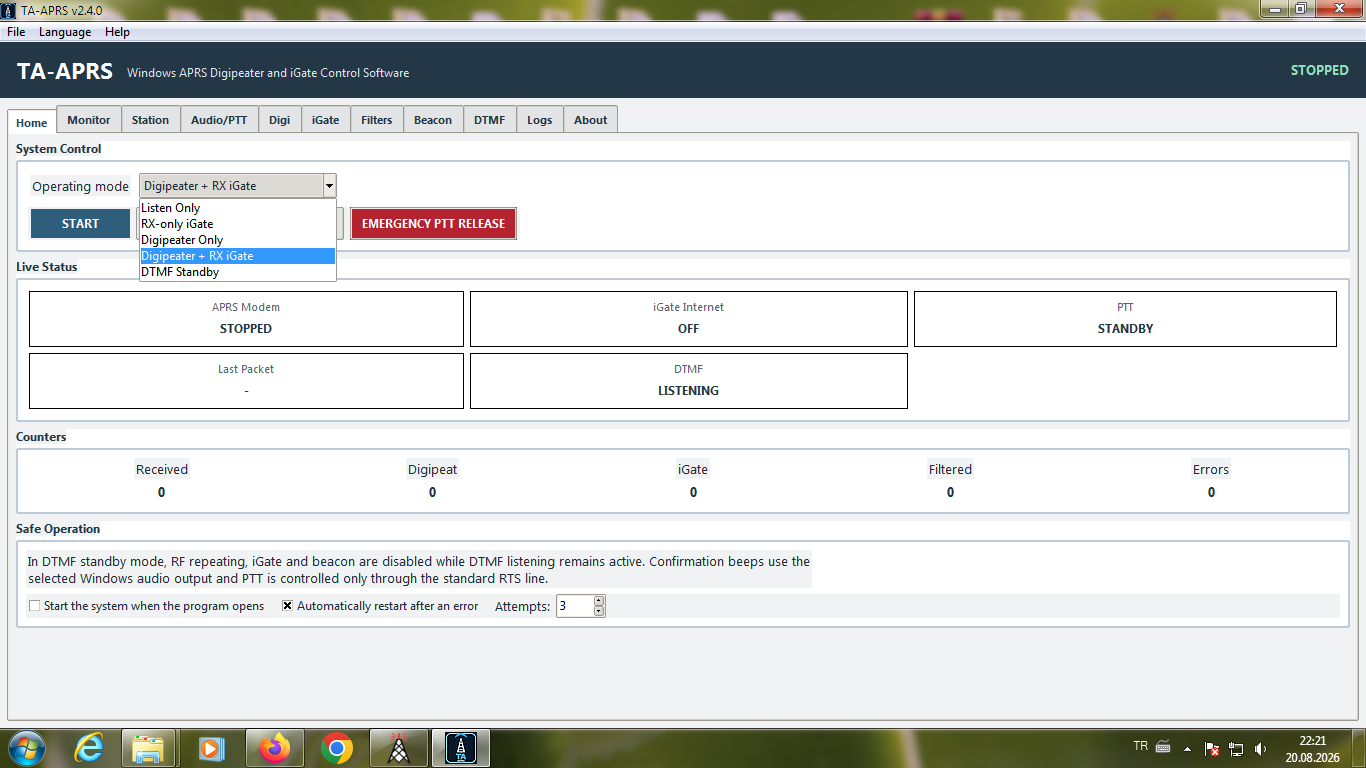
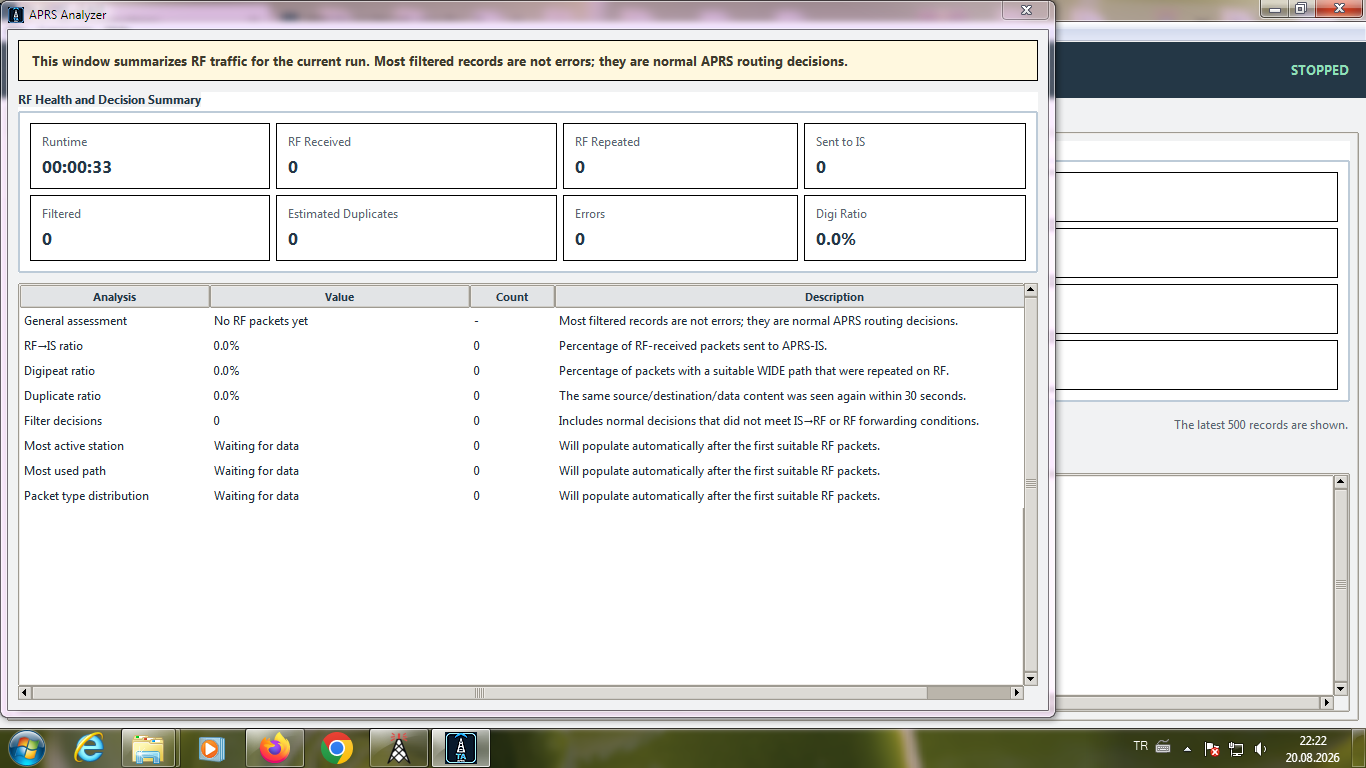
TA-APRS is a Windows-native APRS Digipeater and iGate software platform designed primarily for fixed amateur radio infrastructure stations.
It provides an integrated APRS Digipeater and iGate solution with a graphical management interface. The software supports APRS-IS connectivity, RF Digipeater operation, Fill-in and Wide Digipeater modes, RX-only and bidirectional iGate operation, soundcard-based 1200 baud AFSK, serial RTS/DTR PTT control, beacon transmission, packet monitoring and analysis, duplicate packet detection, packet filtering and DTMF remote control.
The software is currently operational and undergoing active development and on-air testing. Our intention is to make TA-APRS publicly available to the amateur radio community after the testing and validation phase has been completed.
https://github.com/TA-APRS/TA-APRS
APRSSwift
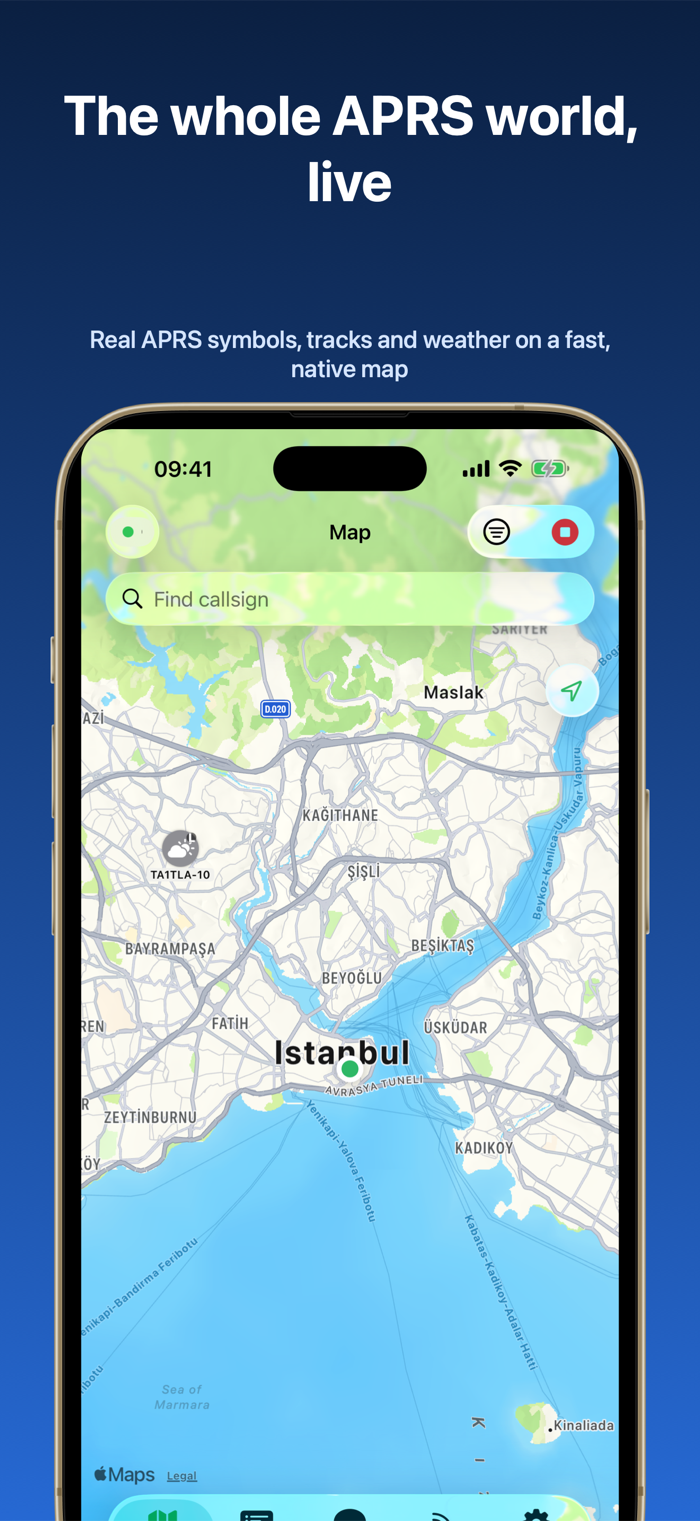
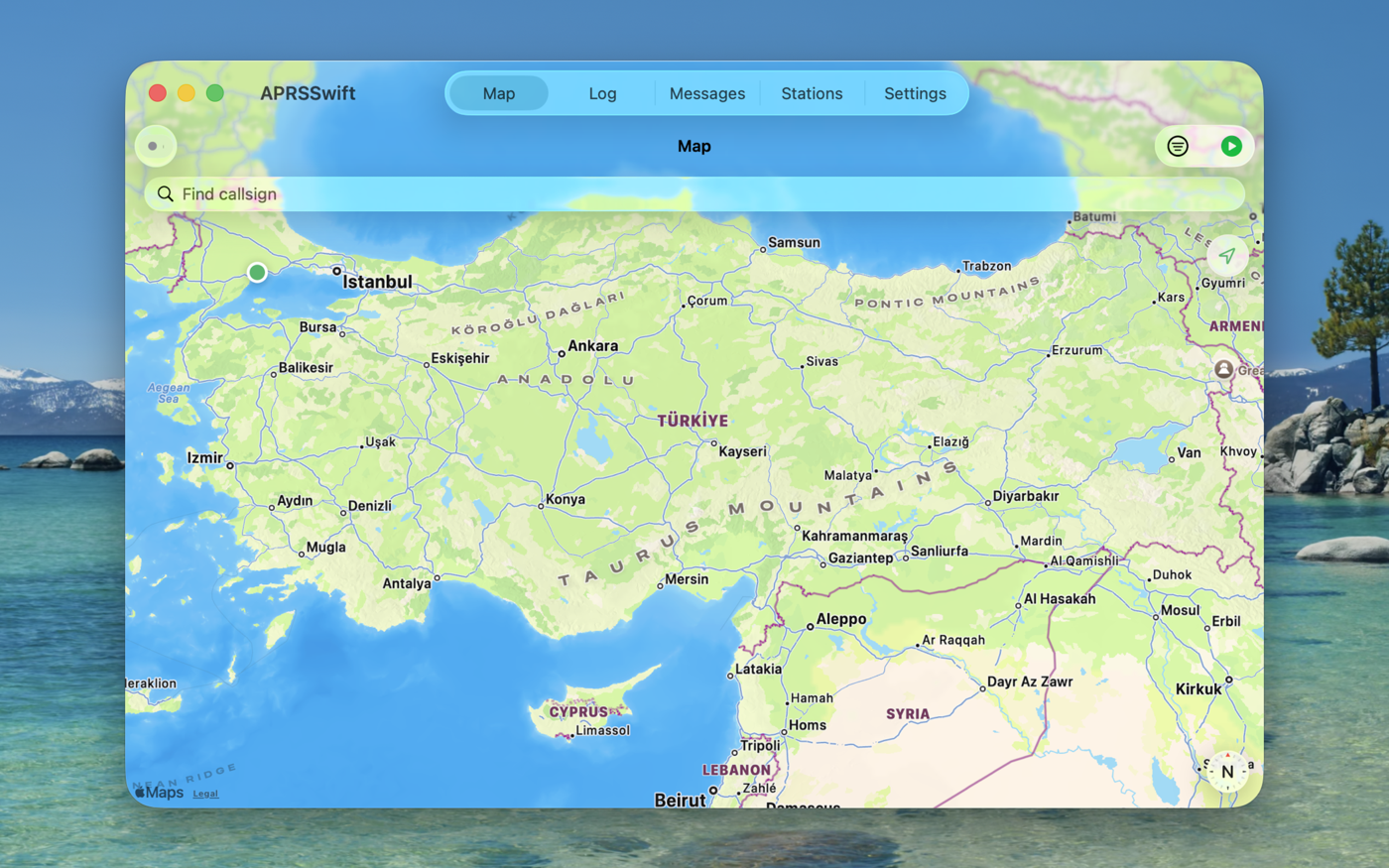
A native APRS client for iPhone, iPad, Mac and Apple Watch, built from one Swift codebase. It runs over APRS-IS, a KISS TNC on TCP or Bluetooth, or a built-in Bell 202 1200 baud sound modem, so a phone and an audio cable to the radio need no TNC hardware. Live map, packet log, messaging with acks, station list, and SmartBeaconing.
App Store Link: https://apps.apple.com/app/id6791003285
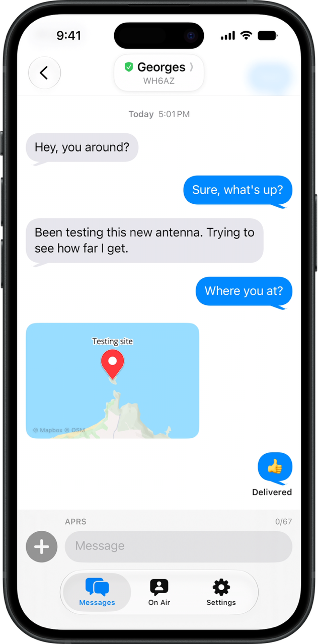
Radio Messenger
A full-featured messaging app for iPhone, iPad and Mac, with built-in radio support, an integrated packet modem, offline maps, and seamless multi-device sync.
PyttiAPRS
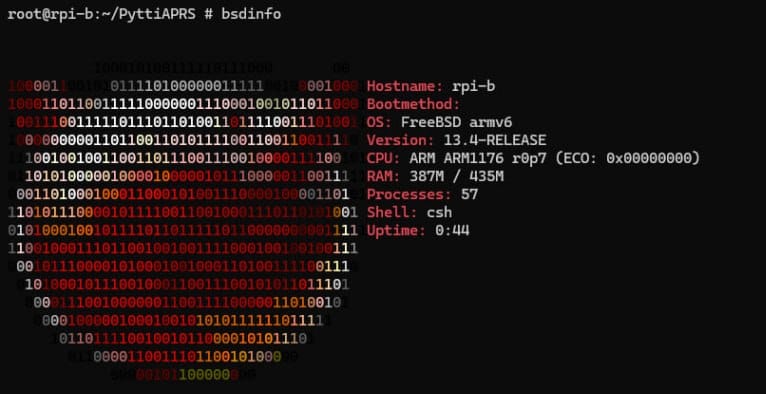
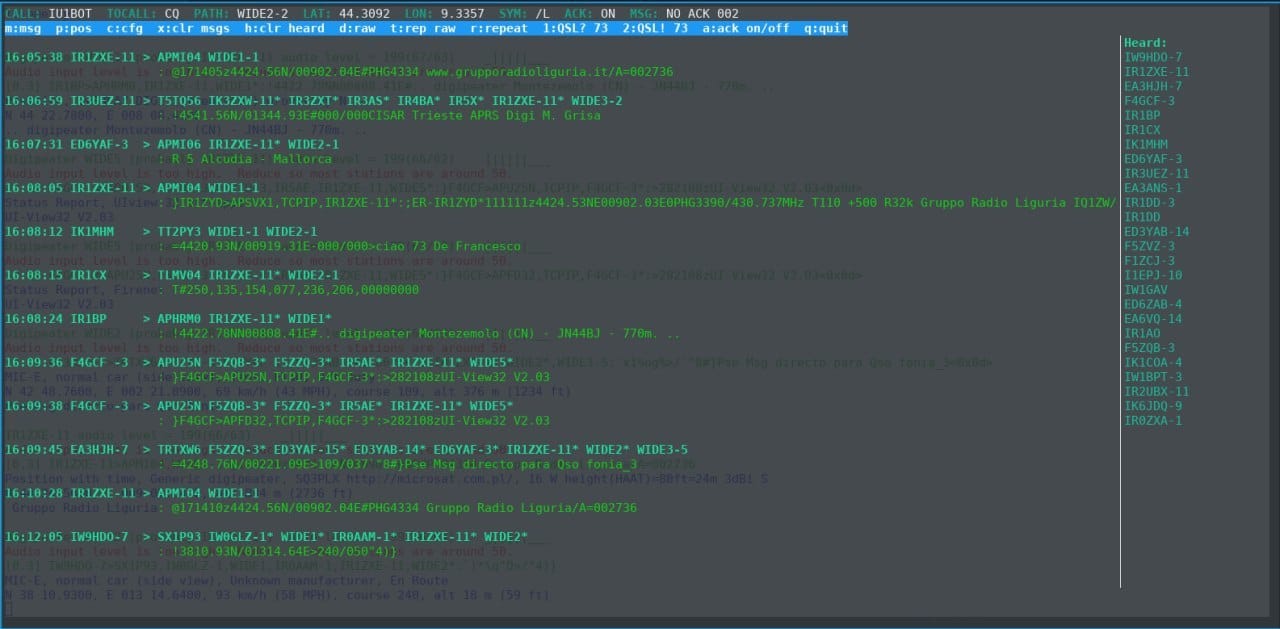
This script started as a fun project about three years ago, when I was looking for a lightweight client that could run on virtually any platform and allow me to experiment with satellite QSOs. This was back when AI had not yet taken over the coding world, so I decided to write a very basic client myself in Python.
Long story short, PyttiAPRS has now grown into an APRS client script that supports TCP/IP modems and is currently being used by several operators for satellite communications.
So far, the most hardware-constrained platform I have tested it on is a 2012 Raspberry Pi Model B with only 512 MB of RAM, where PyttiAPRS runs without any problems!

https://github.com/vash909/PyttiAPRS
https://t.me/pyttiaprs
https://xzgroup.net/digi/pyttiaprs.html
https://www.florian-wolters.de/posts/kenwood-thd72-botan/
https://arsitalia.it/download/25_PyttiAprs_Lorenzo_IU1BOT_20260317155001.pdf (Italian La Radio magazine)
https://community.libre.space/t/foresail-1p-skylink-digipeater/14427
Real Packet
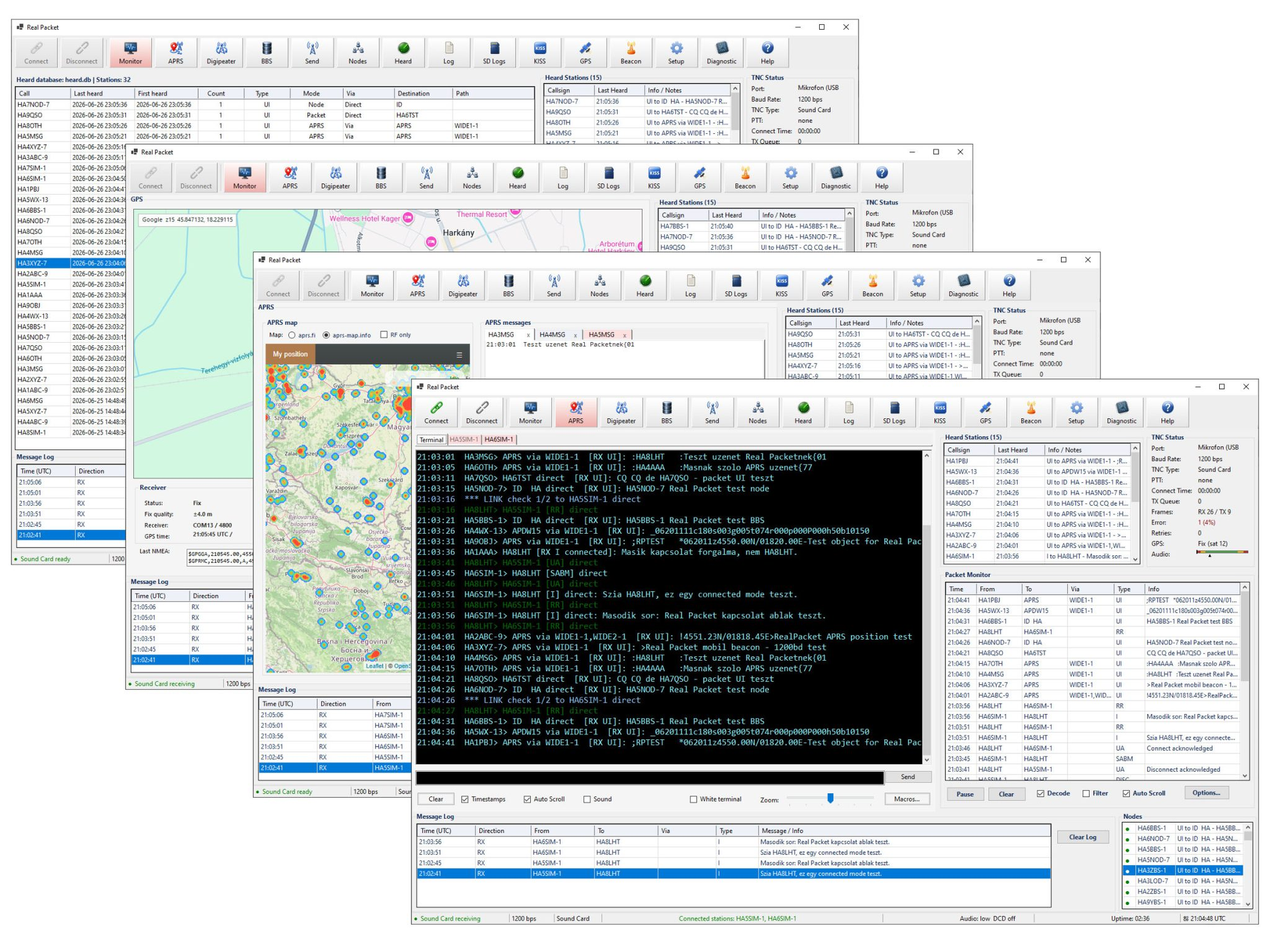
This all-in-one Windows application seamlessly combines an end-point terminal, a digipeater node, and a classic BBS mailbox into a single, cohesive interface. It also features robust APRS integration—including IGate capabilities, customizable beaconing, and interactive digital mapping to visualize both RF and online stations in real time. The software includes a soundcard-based software TNC, offering built-in tools for visual audio level adjustments and fine-tuning DCD thresholds. The application streamlines classic radio networking into a highly accessible, mobile-friendly package.
APRS Propview
APRS PropView is an amateur radio tool that maps out radio signals in real-time. It tracks radio signals sent over long distances using VHF (Very High Frequency) airwaves, acting like a live radar for your radio.
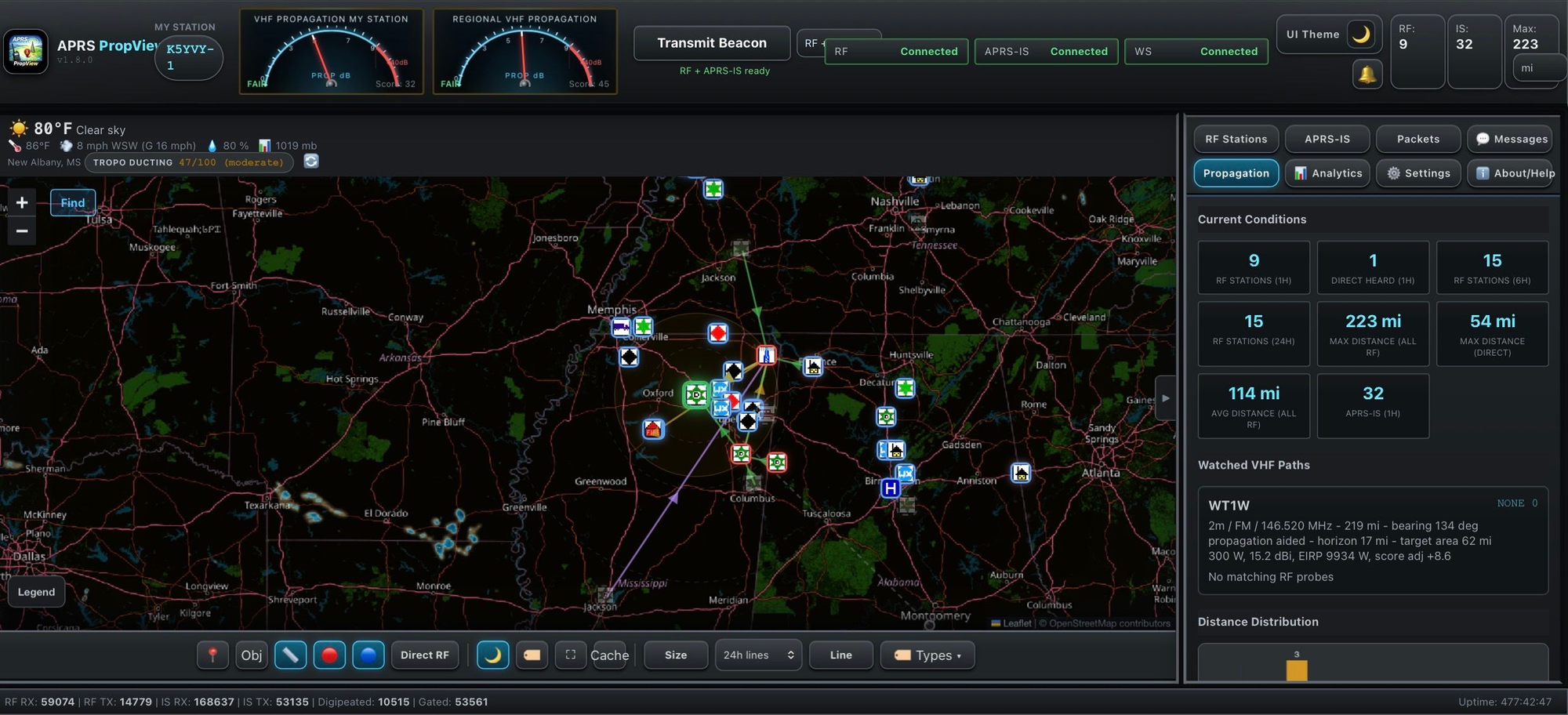
https://github.com/RF-YVY/APRS-PropVie
Direwolf Dashboard
Direwolf Dashboard is a compact, Python‑based web interface for monitoring APRS traffic from a Direwolf TNC. It provides a live, Leaflet‑powered map that shows stations, symbols, movement trails, and real‑time RF activity such as transmit/receive arcs and digipeater paths. A built‑in packet log displays APRS frames in a color‑coded, APRSD‑style format with optional raw Direwolf log lines, and users can filter by callsign, packet type, or direction. The interface includes a collapsible legend, a symbol picker, a mobile‑friendly toolbar, and adjustable trail durations. It reads both the Direwolf AGW port and the Direwolf log file, storing packets in a lightweight SQLite database with configurable retention. A tile‑caching proxy supports offline map use, and all settings can be managed through the web UI. Designed for small devices like the Raspberry Pi Zero 2W, it typically uses 30–50 MB of RAM and runs as a single FastAPI/Uvicorn process. Installation requires Python 3.11+, and the tool can be launched with a simple direwolf-dashboard serve command.
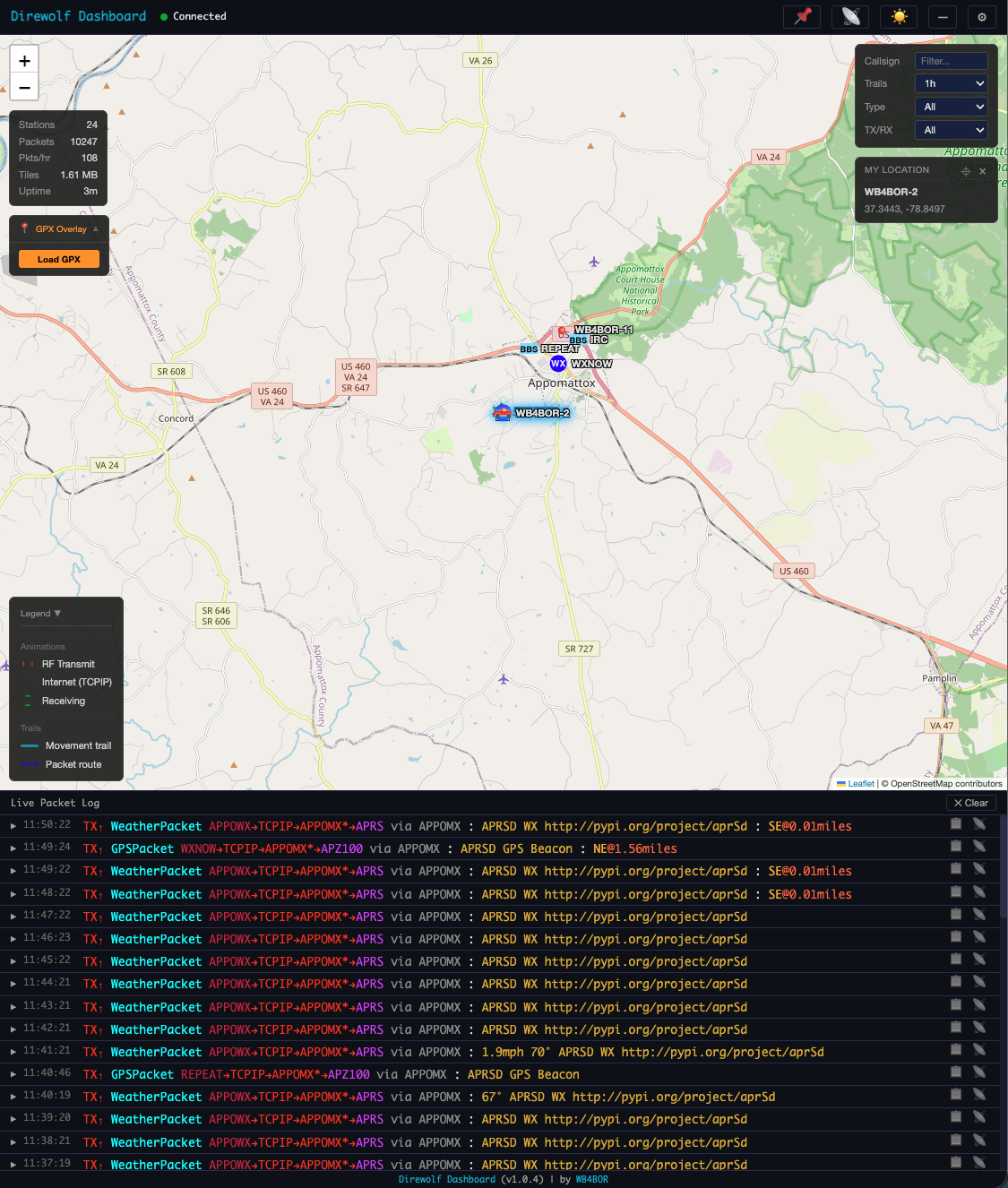
https://github.com/hemna/direwolf-dashboard
FMO (FM Over Internet)
This is a system that uses APRS‑IS purely as a global discovery layer while shifting all real data exchange to independently hosted high‑speed servers. Digitally signed APRS packets allow amateurs to announce servers, verify each other’s identities, and build a dynamic directory of available data nodes without burdening APRS‑IS with heavy traffic. Once a server is discovered, operators communicate through it directly at much higher speeds, and the entry naturally disappears when broadcasts stop.
To solve the trust problem, it introduces a hardware‑based identity credential tied to a licensed amateur’s callsign. This device verifies signatures, filters valid APRS announcements, and can also act as a “broadcast proxy” for servers that cannot transmit APRS themselves. The result is a flexible, on‑demand network where any amateur can temporarily host a server and others can immediately use it, enabling a dynamic model of “create the data link only when needed.” TFMO system applies this architecture to build a global amateur‑radio data and voice exchange network with authenticated, presence‑based server discovery.
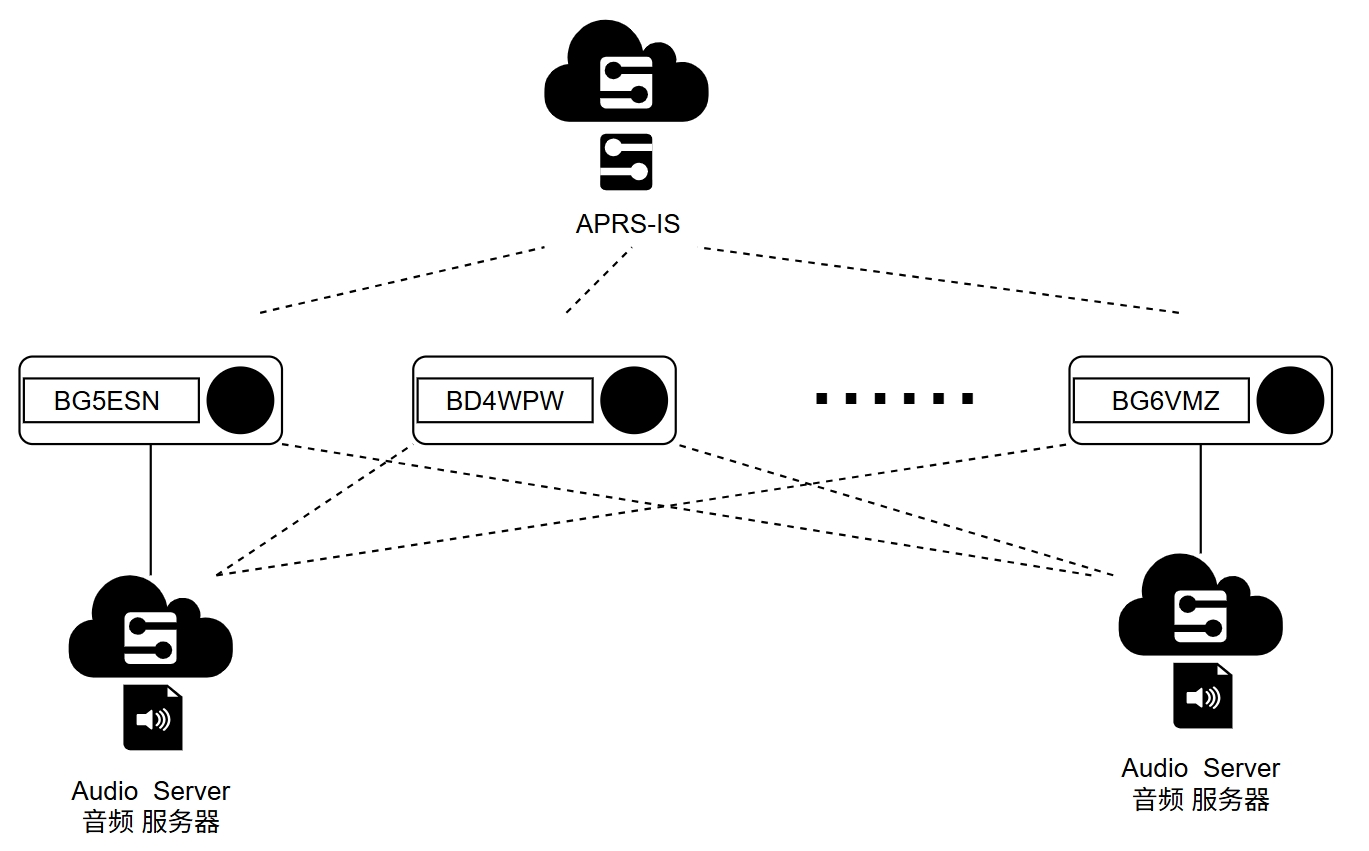
https://how.aprs.works/build-a-high-speed-data-exchange-hamnet-based-on-aprs-is/
https://bg5esn.com/docs/fmo-product-guide/
CSN Technologies iGateMini
Much more than an IGate!
A self-contained VHF APRS device. It can be used as a Digipeater, receiver or transmitter to send packets to the APRS network.
- 1. Digipeater: This functionality allows the device to act as a repeater for APRS packets, receiving data and retransmitting it to extend its range or reach other stations.
- 2. Receiver: The device can monitor APRS packets from the network and display or process them for tracking, situational awareness, or logging purposes.
- 3. Transmitter: In this mode, it sends packets to the APRS network. For example, it might broadcast location data, weather information, or messages.
- 4 Easy setup and an easy interface specifically for APRS messaging
Also works as a satellite APRS gateway.
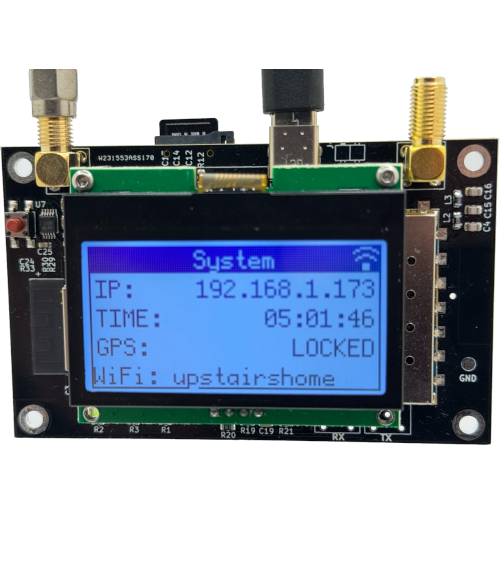
http://www.igatemini.com/igatemini
APRS.one
A modern interface for real-time APRS tracking - in the Web and as an App in the future.
Do you want your project listed here?
Contact: John WB2OSZ callsign(atsign)comcast(period)net.
Provide project name, brief description, optional photo/screenshot, and link to details.